
Is My Lawn Dead or Dormant? Ireland Drought Lawn Recovery Guide
Is My Lawn Dead or Just Dormant? A Drought Recovery Guide for Irish Lawns
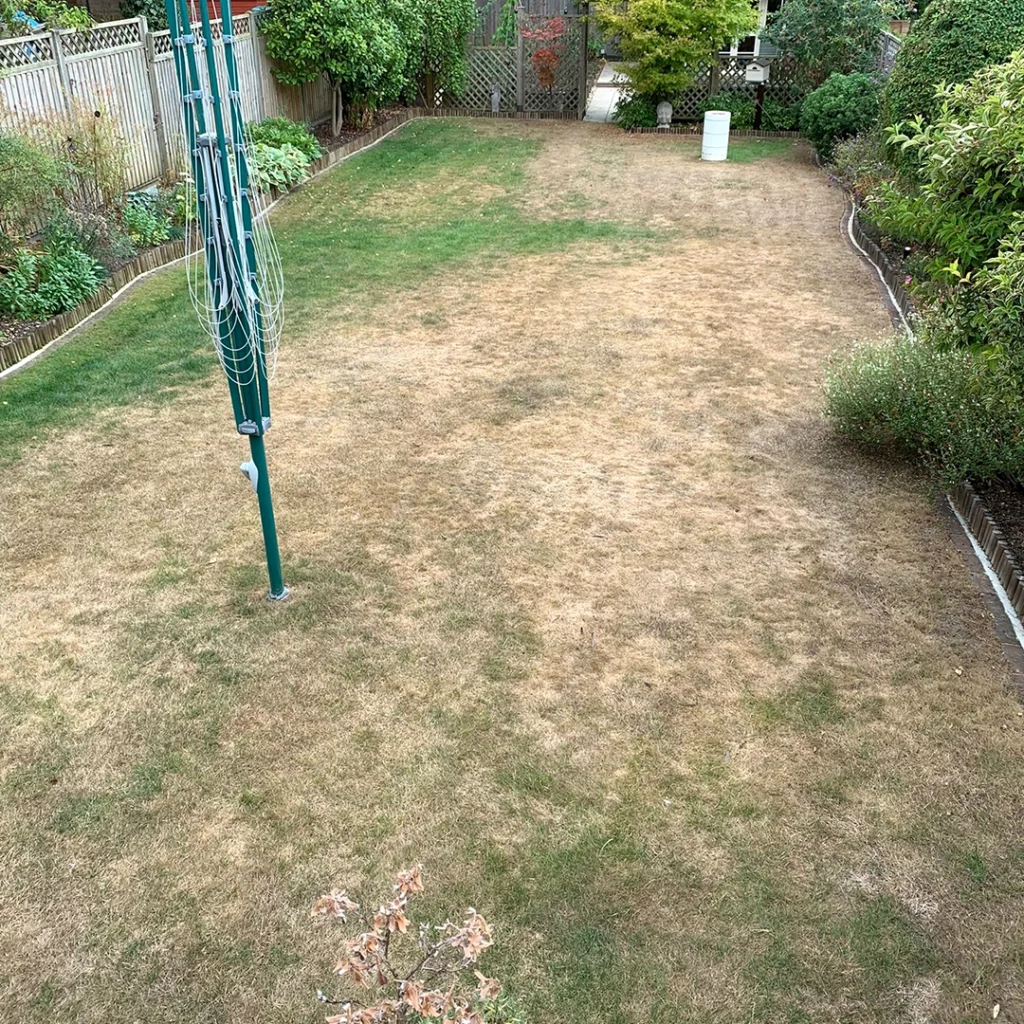
If you’ve stepped outside recently, you’ve probably noticed it: lawns all over Ireland have turned brown, brittle, and lifeless-looking. After one of the driest, hottest summers Ireland has seen in decades, it’s a question we’re being asked constantly right now — is my lawn dead, or will it come back?
The honest answer is: a bit of both. Here’s what’s actually happening under your feet, and what to do about it.
Dormant vs. dead — what’s the difference?
Most of the grass in Irish gardens is cool-season grass, and it’s built with a survival mechanism for exactly this kind of weather. When water becomes scarce, the grass plant stops putting energy into leaf growth and instead pulls back to protect its roots and crown — the base of the plant just below soil level. The leaves turn brown and stop growing, but the plant itself isn’t dead. It’s dormant, essentially playing dead until conditions improve.
The good news is that the majority of a drought-stressed lawn falls into this category. Once proper rain returns, dormant grass typically starts greening up again on its own.
That said, it’s realistic to expect that some of the lawn genuinely won’t come back. Thin, weaker areas, high-traffic patches, ground with poor soil underneath, or grass that was already under stress before the drought hit are more likely to have died outright rather than gone dormant. So don’t be surprised if, once the rain returns, you’re left with a lawn that’s part vigorous green regrowth and part bare, dead patches. That’s completely normal after a summer like this one — and it’s fixable.
Why the ground feels like concrete
One thing almost everyone notices is that the soil itself has gone rock hard. That’s not your imagination. Extended dry spells cause soil to shrink and compact, especially on lawns that were already a bit compacted to begin with (which, if you’ve had the same lawn for a few years, most are). Hard, dried-out soil is bad news for two reasons:
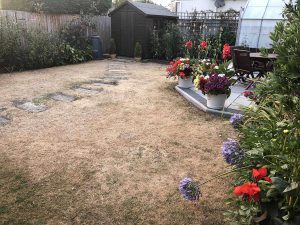
- It makes it much harder for whatever rain does fall to actually soak in — a lot of it will simply run off the surface instead of reaching the roots.
- Even once moisture does get in, compacted soil restricts root growth and starves the grass of air, which slows recovery.
This is exactly why simply waiting for rain isn’t enough on its own for a lot of lawns this year. The soil needs help letting water and air back in.
In ten years of working on lawns across Ireland, this is the part people underestimate most. Everyone focuses on the grass itself, but the soil is really what determines whether a lawn bounces back quickly or struggles on for months. A lawn sitting on soil that’s still hard and lifeless underneath will always lag behind one where the soil has been given a chance to recover properly — same grass, same rainfall, very different results.
One thing I’d genuinely recommend doing now, even before the rain arrives, is applying a seaweed feed to the lawn. Seaweed is one of the best things you can put down for soil health — it helps rebuild soil structure, improves the soil’s ability to hold onto moisture once rain does fall, and gives the microbial life in the soil a boost after months of being baked dry. Getting it down now, ahead of the recovery and reseeding phase, means the soil is in far better shape to actually make use of the rain when it comes, rather than just sitting there rock hard waiting for it.
What happens once it starts raining again
Recovery isn’t instant, so it’s worth setting expectations. Once meaningful, consistent rain returns:
- First week or two: the soil starts rehydrating and dormant grass begins to green up from the crown outward. You’ll usually see the first signs of life within 1–2 weeks of proper rainfall.
- 2–4 weeks in: growth resumes more visibly, and you’ll be able to see clearly which areas are recovering and which are staying bare or thin.
- By 4–6 weeks: you’ll have a much better picture of the true state of the lawn — what’s bounced back, and what’s genuinely dead and needs reseeding.
It’s tempting to rush in and start fixing things the moment you see a bit of rain, but jumping the gun before the lawn has had a real chance to recover means you risk reseeding areas that would have come back on their own, or working ground that’s still too dry underneath to give new seed a fair chance.
The fix: scarifying, aeration, and overseeding in September
Once the lawn has had time to show its true recovery, September is the ideal window to properly renovate it. This isn’t just general advice — in ten years of doing this work on lawns across Ireland, September renovations consistently give the best results we see all year, and it comes down to timing:
- Scarifying / removing thatch clears out the dead thatch, moss, and genuinely dead grass left behind by the drought, and opens the surface up so new seed can actually make contact with soil. This doesn’t need specialist machinery to do properly — a decent spring-tine rake and a bit of elbow grease will do the job on smaller lawns, it’s just more work than running a machine over it.
- Aeration deals directly with that rock-hard, compacted soil. Spiking or coring the lawn opens it back up so it can breathe — letting air and water down to the roots — and just as importantly, it lets any feed or nutrients you put down actually get below the surface instead of sitting on top doing nothing.
- Overseeding fills in the bare and thin patches with fresh grass seed, thickening the lawn back up and crowding out weeds before they get a foothold.
The reason September works so well is timing: the soil is still warm from summer, which is what grass seed needs to germinate reliably, while the weather has cooled and there’s typically more consistent rainfall to keep it watered without you having to do it yourself. Seed sown in September gets several weeks of steady root development before growth naturally slows for winter — so by spring, you’ve got a properly established, resilient lawn rather than a newly seeded one still finding its feet.
Frequently asked questions
How do I tell if my grass is dormant or actually dead? Give it a tug — dormant grass stays anchored because the roots are still alive, while dead grass pulls up loosely with no resistance. You can also check the crown at the base of the plant; if it’s still slightly white or cream inside rather than brittle and grey all the way through, it’s likely dormant. The most reliable test, though, is patience — water a small patch (or wait for rain) and watch for green shoots within a couple of weeks.
Should I water my lawn during the drought? If you can water deeply and consistently, it can help reduce the amount of grass that dies outright. But light, occasional watering does more harm than good — it encourages roots to stay near the surface where it’s driest, making the grass even more vulnerable. If you can’t commit to proper watering, it’s genuinely better to let the lawn go dormant naturally and focus on recovery once the rain returns.
Will my whole lawn need reseeding? Almost certainly not. Most lawns recover the majority of their coverage on their own once rain returns — reseeding is usually only needed for patches that stay bare after a few weeks of proper rainfall.
Is it too late to do anything now? Not at all. Right now is actually a good time to apply a seaweed feed to start improving the soil ahead of the recovery. Just hold off on scarifying, aerating, and reseeding until the ground has had proper rain and the lawn has shown what’s coming back on its own.
Why September and not now or spring? Soil sown now is still too dry and stressed to give seed a fair start. Spring soil is cold and often waterlogged, which slows germination and gives seed less time to establish before summer stress hits again. September gives you warm soil, more reliable rain, and several weeks of root development before winter — which is why it consistently produces the strongest results.
Can I scarify or aerate without hiring someone? Yes, on a smaller lawn a spring-tine rake for scarifying and a garden fork for aeration will get the job done — it’s just more physical work than using machinery. For larger lawns, or if you’d rather not spend a weekend doing it, it’s worth having it done professionally.
What to do now
For the moment, the best thing you can do is leave the lawn alone — don’t reseed yet, and hold off on any heavy work until you’ve had consistent rain and can see what’s actually recovered. A seaweed feed now is well worth doing in the meantime, to get the soil in the best possible shape ahead of the recovery. When rain does return, or if you’d rather have someone assess your lawn properly and plan the September renovation for you, get in touch and we’ll take a look.
Robertsons Gardening and Landscaping Call or WhatsApp: 089 605 7631