How Often Should Hedges Be Cut in Ireland?
How Often Should Hedges Be Cut in Ireland?
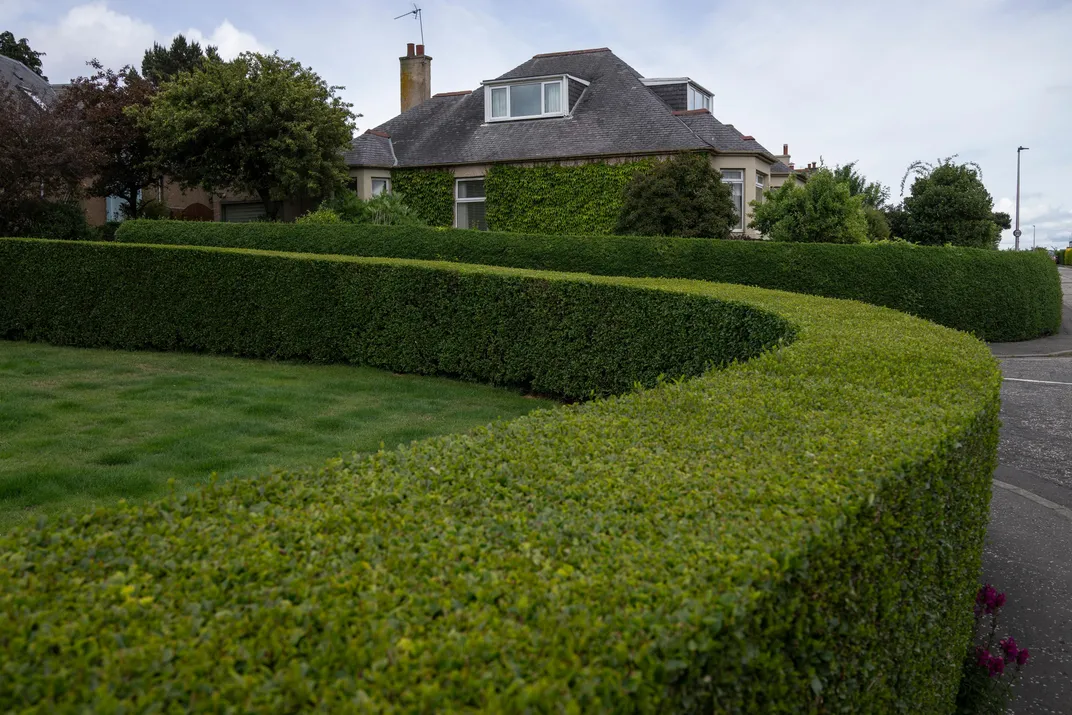
Most hedges in Ireland need cutting once a year, and at Robertsons Gardening and Landscaping we do ours in September — after the growing season has settled down and outside the bird nesting window. The exception is if a hedge is causing a road safety hazard or a hazard to property (blocking a footpath, obstructing a driver’s sightline, or growing into a boundary, wall, or building), in which case we’ll cut it sooner regardless of time of year.
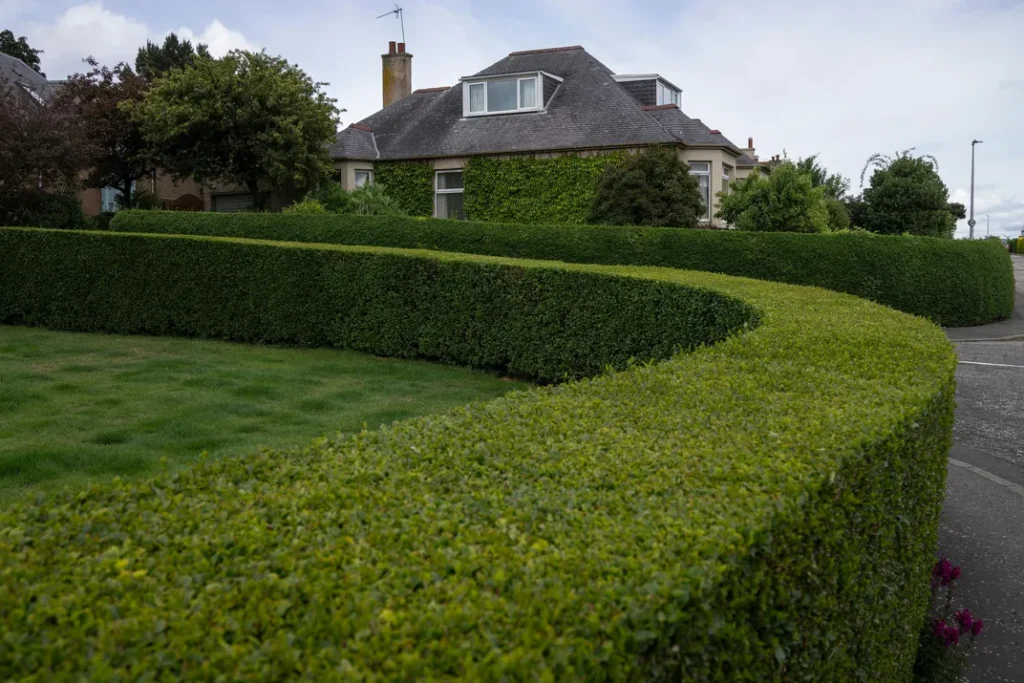
Fast-growing hedges like leylandii or privet may still need an additional cut earlier in the season to keep them under control, but September is our go-to for the main annual cut.
Got a hedge that needs sorting? Call or WhatsApp Robertsons Gardening and Landscaping on 0896057631.
Getting the timing right matters as much as the frequency. Cut at the wrong time and you can damage next season’s growth, encourage disease, or disturb nesting birds. It’s important to always check a hedge carefully for nesting birds before cutting — nesting season in Ireland generally runs from 1 March to 31 August, and disturbing an active nest is an offence. Even in September, we still check hedges over before cutting, since some birds nest later than expected.
Hedge Cutting Frequency by Type
Formal hedges (box, privet, beech) Benefit from a tidy-up mid-season as well as the main September cut, to keep clean, sharp lines. Skipping a cut lets them get leggy and harder to bring back into shape.
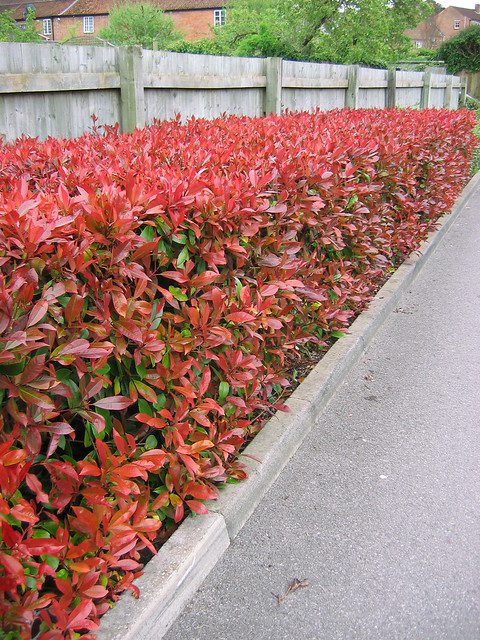
Informal or native hedges (hawthorn, blackthorn) Usually only need the one cut a year, done in September. These hedges are often best left alone for longer stretches to support wildlife and berries for birds over winter.
Fast-growing conifer hedges (leylandii, laurel) Can need an extra cut earlier in the growing season (roughly April to August) on top of the September cut, to stop them getting away from you. Left too long, these become a much bigger — and more expensive — job to bring back under control.
When Is the Best Time to Cut Hedges in Ireland?
Our general approach is September — late enough that nesting season is over, and it sets the hedge up neatly for autumn and winter. The main exception is any hedge that’s become a safety issue: overhanging a footpath or road, blocking visibility for drivers, or growing into a neighbouring property. In those cases we won’t wait until September — safety comes first.
Whatever time of year a hedge is cut, always check thoroughly for nesting birds first. It’s a legal requirement in Ireland and a step we never skip.
Signs Your Hedge Is Overdue a Cut
- It’s blocking light from windows or a path
- New growth is soft, straggly, or growing outward rather than staying dense
- You can see gaps or bare patches forming at the base
- It’s grown noticeably taller or wider than last year
- It’s encroaching on a footpath, road, or a neighbour’s property
Why Regular Hedge Cutting Matters
A hedge left too long doesn’t just look untidy — it gets harder and more expensive to restore. Overgrown hedges can:
- Block boundary lines and create disputes with neighbours
- Reduce light to gardens and ground-floor rooms
- Develop bare, woody patches that don’t regrow easily once cut back hard
- Become a bigger job, needing specialist equipment and more time
- Become a safety hazard on footpaths and roads
Staying on top of hedge cutting, at the right time, keeps the job manageable and the hedge healthy.
From My Own Experience
Over the years working on gardens across Dublin and Louth, one of the jobs I see most often — and the one that takes the most out of us — is bringing an overgrown hedge back under control.
It’s not something people always expect. A hedge that’s been left for a year or two doesn’t just look untidy; it becomes genuinely hard work to fix. What would normally be a quick, straightforward trim turns into hours of cutting back thick, woody growth, clearing away far more waste than usual, and sometimes having to cut a hedge back harder than we’d like just to get it back into shape. In some cases, a hedge that’s gone too long won’t fully recover, and bare patches are left behind that take a long time to fill back in.
From my own experience, the difference between a hedge that’s kept up regularly and one that’s been neglected is huge — both in how long the job takes us and in the result for the customer. A hedge that gets a proper cut once a year stays dense, healthy, and easy to manage. A hedge that’s left to grow unchecked ends up costing more time, more effort, and often more money to bring back.
That’s why I always encourage customers to stay on top of hedge maintenance rather than letting it build up. It’s a much easier job for us, and a much better outcome for you — and it also helps manage expectations, since a well-maintained hedge is a straightforward, predictable job, while an overgrown one can take longer and cost more than customers sometimes expect.
I’ll always be upfront about what a job involves before starting, so there are no surprises — and once the cutting’s done, we take away all the waste, so you’re not left with a pile of clippings to deal with.
Doing hedges is honestly one of my favourite parts of the job. There’s real satisfaction in it — a good hedge cut can completely transform how a garden looks and feels, often more than any other single job. With years of experience doing this across Dublin and Louth, I’ve learned how to get the shape and timing right for all kinds of hedges. Beyond cutting, I also plant new hedges for customers who are looking to add privacy, structure, or a boundary to their garden.
Don’t Forget to Feed Your Hedges
One thing I find gets overlooked constantly is hedge fertilization. People are usually good about cutting their hedge, but feeding it rarely crosses their mind — even though a hedge is drawing nutrients out of the same patch of soil year after year, just like any other plant in the garden.
In my opinion, hedges should be fertilized a couple of times a year to keep them healthy and growing well, and I like to place manure at the base of the hedge to feed it slowly over time. It’s a simple step that makes a real difference to how dense and healthy a hedge stays.
Why I Stick to September (With One Exception)
I know plenty of people cut their hedges earlier in the summer, but in my opinion September is the better call for most hedges. By then the main growing season has settled down, so the hedge holds its shape for longer, and it’s well clear of the nesting season too — I’d rather not be second-guessing whether a nest is still active.
The only time I’ll move away from that is when a hedge has become a genuine hazard — blocking a footpath, obscuring a driver’s view, or pushing into a boundary or a building. In those situations, waiting for September isn’t an option, and safety has to come first. Outside of that, though, September is where I get the best result for the customer.
My Take on Planting New Hedges
Planting is something I enjoy just as much as cutting. Where a hedge cut can transform a garden that already has one, planting a new hedge gives a garden something it didn’t have before — privacy, structure, a proper boundary. It’s satisfying to see it started well, because a hedge planted properly from the start is a lot easier to maintain for years afterward than one that’s gone in badly. It’s something I’d encourage any customer thinking about a new boundary or screening to consider, rather than defaulting straight to fencing.
Need Your Hedges Cut in Dublin or Louth?
Robertsons Gardening and Landscaping provides reliable hedge cutting, hedge planting, and garden maintenance across Dublin and Louth, timed to keep your hedges healthy and within the law — and we take away all the waste when we’re done. Get in touch on 0896057631 or via WhatsApp for a quote, or visit