
Strawberry Beds: How I Grew 300+ Plants in Ireland
Strawberry Beds: How I Grew Over 300 Strawberry Plants and Kilos of Fruit Every Day
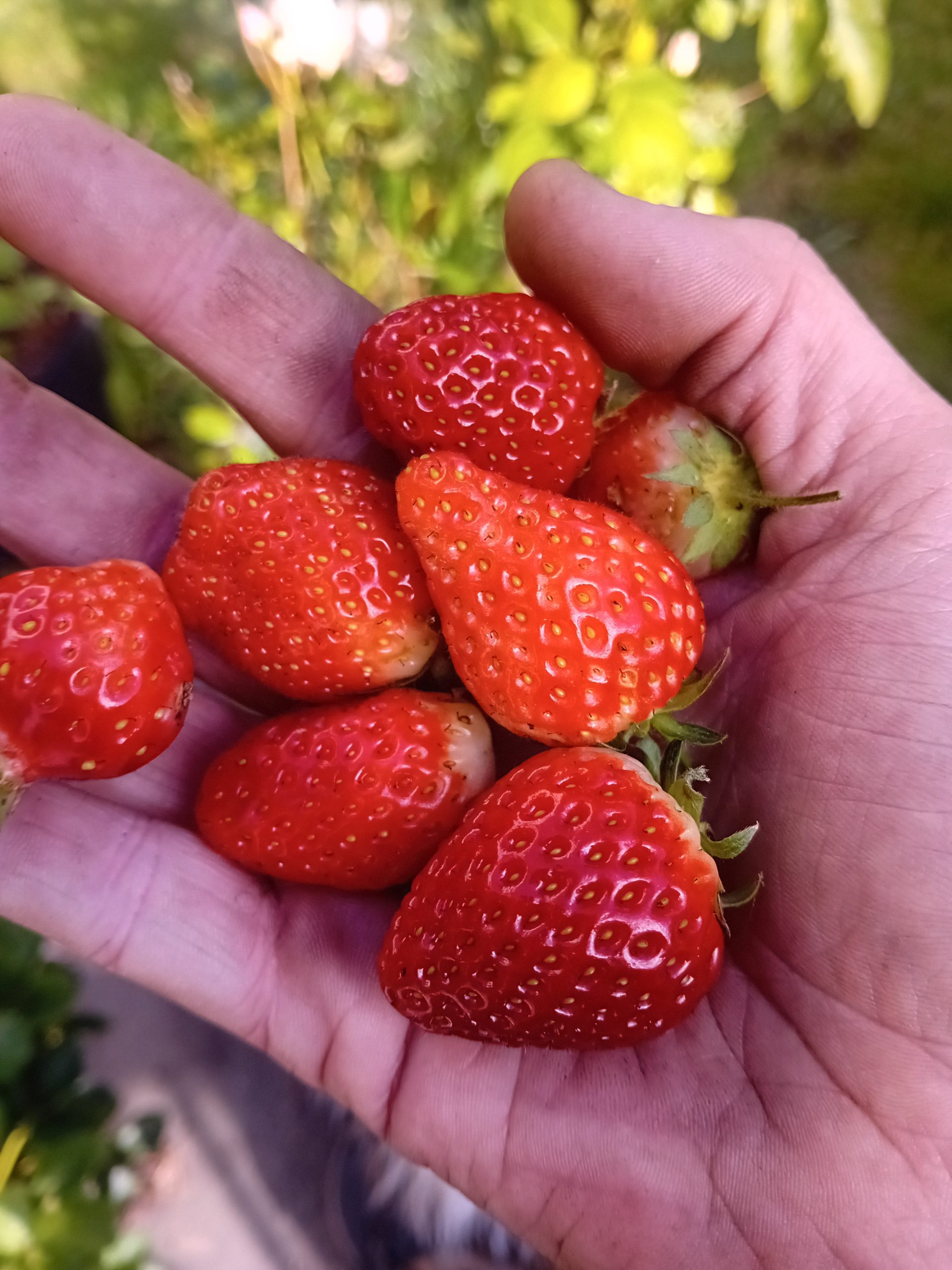
There was a time when I had more strawberries growing in my garden than I honestly knew what to do with.
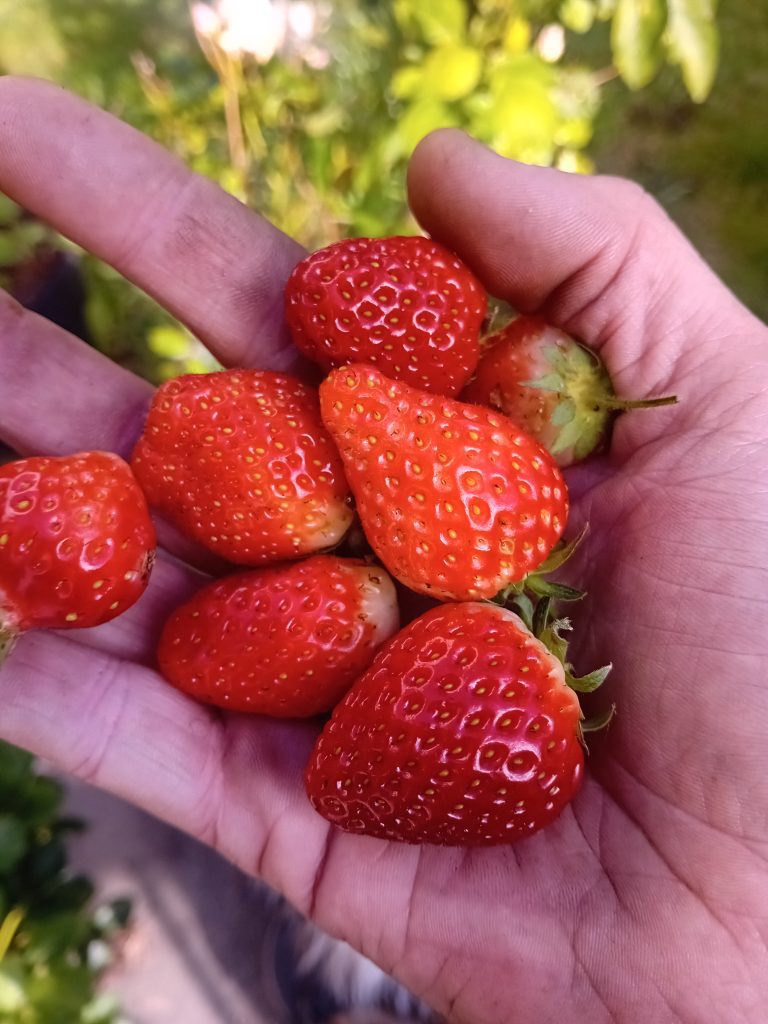
I had over 300 strawberry plants, and when they really got going, I could be picking several kilos of strawberries in a day.
And believe me, when you have that many strawberries coming at you, you quickly run out of people to give them to!

I gave plenty away to customers, friends and neighbours, but there were simply too many. So I started making jam, putting them on pancakes, eating them fresh from the garden and finding as many excuses as possible to use them.
That experience taught me something important about strawberry beds: if you get the growing conditions right, strawberries can be incredibly productive plants.
And one of the things I always believed made a huge difference in my own strawberry beds was something I had readily available because I live near the coast — seaweed.
My secret ingredient for strong strawberry plants
I used to grow my strawberries in a mixture of good compost and seaweed.
Living on the coast meant I could collect seaweed easily, and I found it incredibly useful when preparing the growing area.
For me, seaweed became the secret ingredient in producing strong, healthy strawberry plants and some fantastic berries.
I’m not saying that simply throwing seaweed onto the ground will magically produce enormous strawberries. Gardening doesn’t work quite that simply. But in my experience, combining good organic matter with seaweed helped me create the kind of rich, healthy growing environment that strawberries really seemed to enjoy.
And when you have hundreds of strawberry plants producing fruit, you notice what works.
The important thing is to think of seaweed as part of your soil-building approach rather than a replacement for good compost, drainage, watering and general plant care. Strawberries do best in fertile, well-drained soil, and organic matter is an important part of preparing a productive growing area.
If you are collecting seaweed yourself, remember that it is best to use it responsibly and sustainably, and avoid taking large quantities from sensitive coastal habitats.
How to plant strawberry beds
Whether you are planting ten strawberry plants or hoping to eventually have hundreds, the basic principles are the same.
The first thing I would look at is where you are going to put the strawberry bed.
Choose a sunny position
Strawberries love sunshine.
Choose the sunniest practical part of your garden, ideally somewhere that gets plenty of direct sunlight during the growing season.
Good sunlight helps the plants grow strongly and, importantly, helps the fruit ripen properly.
A strawberry bed also needs good drainage. Strawberries don’t appreciate sitting in waterlogged soil, so if your garden has heavy or poorly drained ground, a raised strawberry bed can be an excellent solution.
Raised beds can also make planting, weeding, feeding and harvesting much easier on the back.
Prepare the soil properly
This is where I would put most of your effort.
You can have the best strawberry plants in the world, but if you put them into poor, compacted or waterlogged ground, you are making life difficult for yourself from day one.
I would prepare the bed with plenty of good-quality organic matter and compost.
This is where my seaweed method comes in.
I used a mixture of compost and seaweed to create a rich growing medium for my strawberry plants. The goal is to build a soil that holds enough moisture while still draining well and giving the roots room to grow.
Teagasc recommends incorporating bulky organic compost when preparing ground for strawberries, while also stressing the importance of keeping strawberry crowns at or slightly above soil level.
Don’t plant strawberries too deeply
This is one of the mistakes I see people make.
When you plant a strawberry, you need to pay attention to the crown — the central part of the plant from which the leaves grow.
The crown should sit at approximately soil level, rather than being buried deeply.
If you bury the crown, you can create problems for the plant. At the same time, you don’t want the roots exposed.
Take your time when planting each strawberry and get that level right.
Give strawberry plants enough space
Don’t be tempted to cram hundreds of plants into a small space just because you want lots of strawberries.
Strawberries need room for their leaves, flowers and fruit, and overcrowding can make maintenance more difficult.
As a general guide, the RHS recommends around 35–40cm between strawberry plants, with rows approximately 75cm apart.
The exact spacing can vary depending on the variety and how you’re growing them, but the principle is simple:
Give your strawberry plants room to breathe.
Watering strawberry beds
Once your strawberries are planted, don’t forget about watering.
New plants need consistent moisture while their roots establish, and established plants need enough water during flowering and fruit development.
The trick is not to keep the soil permanently saturated.
Strawberries like moisture, but they don’t like sitting in wet conditions.
Water the soil around the plants rather than continually soaking the leaves and fruit.
And keep an especially close eye on them when the weather is dry and the plants are flowering or producing fruit.
Keep strawberries off wet soil
One of the problems with strawberries is that the fruit itself sits very close to the ground.
If ripe strawberries are resting on wet soil, they can become damaged and are more vulnerable to rotting.
There are several ways of dealing with this.
You can grow strawberries in raised beds, use suitable mulch or grow them in containers and strawberry planters.
The important thing is to avoid having ripe fruit sitting against constantly wet surfaces.
This is particularly important in an Irish garden, where wet weather can arrive just when your strawberries are at their best.
Teagasc specifically recommends avoiding situations where fruit is lying on wet surfaces because this can contribute to diseased fruit.
What about strawberry runners?
Now we come to one of my favourite things about growing strawberries.
The plants give you more plants for free.
Strawberries produce runners — long stems that grow out from the mother plant and develop new little strawberry plants.
When I had my big strawberry patch, I used these runners to produce new plants.
I would encourage healthy runners to root, allow the young plants to establish themselves and then separate them from the original plant.
I ended up with so many new strawberry plants that I used to give them away to my customers for free.
It’s one of the great things about growing strawberries: once you have a healthy stock of plants, you can gradually build your own strawberry bed without constantly buying new plants.
The RHS also recommends propagating strawberries from runners, allowing the young plant to root before severing it from the parent.
A word of warning about runners
There is a balance to be found.
If your main priority is producing as much fruit as possible, you don’t want your plants putting all their energy into producing runners.
For fruit production, remove unwanted runners.
If your goal is to create new strawberry plants, select strong runners and allow them to root.
That way you can decide whether your strawberry bed is going to produce fruit, new plants, or a bit of both.
Feeding strawberry plants
A productive strawberry bed needs feeding as well as watering.
This is another reason I liked using compost and seaweed when preparing my own strawberry beds.
Think about the soil first rather than trying to fix everything once the plants are struggling.
Good organic matter, healthy soil structure, appropriate watering and sensible feeding all work together.
And don’t forget that strawberries are hungry plants when they are producing a large crop.
If you have hundreds of plants like I did, the amount of growth and fruit they produce is remarkable.
You can literally watch the plants changing as the season progresses.
Protecting strawberries from birds and pests
There is one thing I learned very quickly:
You are not the only one who likes strawberries. Birds will happily find your strawberry bed, particularly when the fruit begins to ripen. If you have put all that effort into growing a crop, it makes sense to protect it.
A suitable fruit cage, netting or other appropriate protection can make a huge difference.
You should also keep an eye out for slugs, snails and other pests, particularly where fruit is touching damp ground.
Raised beds can help with drainage and accessibility, but they don’t remove every pest problem.
The best approach is to keep an eye on your plants regularly so that small problems don’t turn into big ones.
When should you plant strawberries in Ireland?
There are several opportunities to plant strawberries depending on the type of plants you’re using.
The RHS advises that strawberries can be planted in spring, late summer or early autumn, with August and September giving plants time to establish before fruiting the following year.
Bare-root runners and established plants can have different planting windows, so don’t assume there is only one day or one month when strawberries can go into the ground.
The important thing is to give your plants time to establish a good root system and to make sure the ground is properly prepared.
For Irish gardens, I always think about the conditions on the ground rather than blindly following a date on a calendar.
How long will a strawberry bed last?
A strawberry bed doesn’t have to be replaced every year.
However, strawberry plants don’t remain at peak productivity forever.
The RHS recommends replanting a strawberry bed after around three or four years to help avoid problems associated with disease build-up and declining performance.
This is another reason I like the idea of learning how to propagate runners.
Instead of suddenly discovering that your old strawberry bed has stopped performing, you can be producing replacement plants along the way.
That is exactly what I did.
My biggest strawberry-growing lesson
Looking back at the time when I had more than 300 strawberry plants, the biggest lesson for me was that preparation pays off.
I didn’t just stick strawberries into ordinary garden soil and hope for the best.
I concentrated on the growing medium.
I used compost and seaweed.
I propagated healthy plants from runners.
I gave the plants room.
I kept them watered.
I protected the fruit.
And I kept harvesting.
The result was a strawberry patch that produced so much fruit that I genuinely had trouble finding enough people to eat it!
There is something incredibly satisfying about walking into your garden and coming out with several kilos of strawberries that you have grown yourself.
And once you’ve tasted a properly ripe strawberry straight from your own garden, supermarket strawberries are never quite the same.
Want help planning your strawberry beds?
If you’re thinking about growing strawberries but aren’t sure where to start, you don’t have to figure everything out yourself.
Through Robertsons.ie, I can provide advice on planting techniques, preparing growing areas, raised beds, soil and compost, plant spacing, runners and general garden planning.
Every garden is different. Your soil, available space, aspect, drainage and the amount of time you have available will all affect the best way to approach your planting.
I offer gardening consultations where I can discuss your garden and give you practical advice on the best planting techniques for your particular situation.
If you would like advice about strawberry beds or other planting projects, get in touch on 089 605 7631.
You can also visit Robertsons.ie
And if you’re planning your first strawberry bed, my advice is simple:
Start with the soil, give your plants plenty of room, keep them healthy — and don’t be surprised when you end up with far more strawberries than you know what to do with!